

Cheap AI Images for Blog Posts and SEO: From $0.007 Each
Every article on a content site needs a hero image, an OG card for social shares, and ideally two or three inline visuals. Stock photo libraries solve the sourcing problem but introduce a different one: the same image appears on thousands of other domains simultaneously, telling search engines nothing distinctive about your page. pixelfireman.com generates a unique, production-grade image for each article at roughly $0.007 per image — prepaid credits, no subscription, no expiry. At that price, a site publishing 200 articles per month spends less than $1.50 on images.
The SEO case for unique images over stock
Search engines index images as content. A stock photo that appears on 4,000 other sites carries no topical signal for your specific URL. When Google crawls an article illustrated with a unique, contextually relevant image, it has one more on-page signal that the content is original and specific to the topic at hand.
The social layer matters too. Open Graph images are pulled automatically when a link is shared on LinkedIn, Twitter/X, Facebook, or messaging apps. A generic stock image produces a generic card that blends into every other post in the feed. An image generated specifically for the article — with the right subject, mood, and composition — produces a card that stops the scroll. Higher click-through rates from social shares feed back into organic ranking signals over time.
There is also a practical legal upside: an AI-generated image created for your article is not licensed from a third party and carries no attribution requirement. No watermarks, no license tiers, no worrying about commercial use clauses.
Cost comparison: AI generation vs. stock subscriptions for blog images
Here is how the per-image economics compare across the main options available to content teams today:
| Provider | Price per image | Cost for 10,000 images | Notes |
|---|---|---|---|
| pixelfireman.com | ~$0.007 | ~$70 | Prepaid, no expiry, unique per prompt, no watermark |
| OpenAI gpt-image-1 (low) | ~$0.011 | ~$110 | Cheapest OpenAI tier — still 1.6x more per image |
| Google Gemini / Imagen | ~$0.02–$0.04 | ~$200–$400 | 4x more expensive at mid-range pricing |
| OpenAI gpt-image-1 (medium) | ~$0.04 | ~$400 | ~6x more expensive than pixelfireman |
| OpenAI gpt-image-1 (high) | ~$0.12 | ~$1,200 | ~17x more expensive than pixelfireman |
| Stock photo subscription | Varies ($0.15–$2+) | $1,500–$20,000+ | Images are not unique — shared across all licensed users |
pixelfireman is 4x cheaper than Google Gemini at mid-range pricing, 1.6x under even OpenAI's cheapest tier, and between 6 and 17 times cheaper than OpenAI's standard tiers. Against a mid-tier stock subscription at even $0.30 per image, pixelfireman is roughly 40 times cheaper — and every image is original rather than shared across thousands of other publishers.
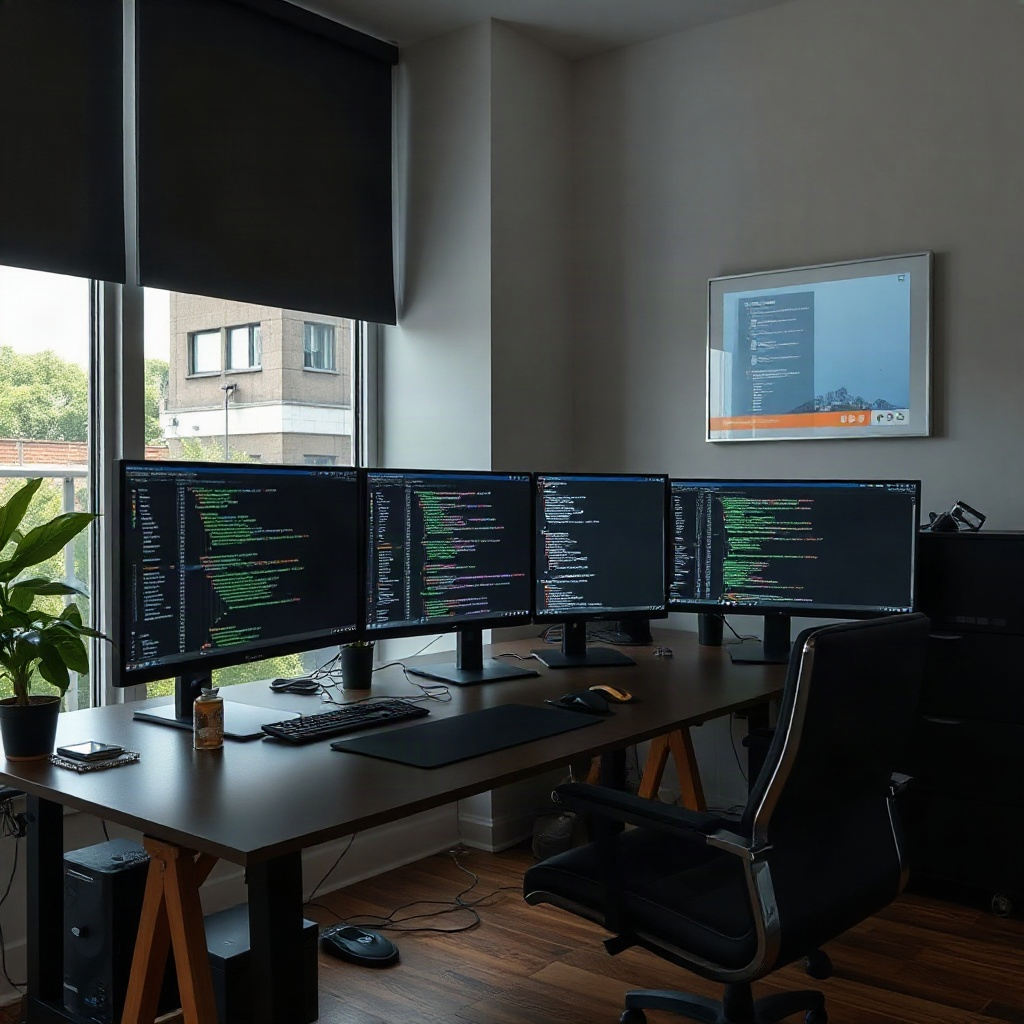
Generating blog images at volume with the pixelfireman API
For content teams publishing at scale, the key is automation. pixelfireman exposes a simple metered REST API that integrates into any publishing pipeline in minutes:
POST https://pixelfireman.com/v1/images
Authorization: Bearer YOUR_KEY
Content-Type: application/json

{
  "prompt": "minimalist flat illustration of a home office desk with morning light, editorial style",
  "width": 1200,
  "height": 630
}
The dimensions above produce a 1200x630 image — the standard OG card size. Generation completes in about 1.5 seconds. Each request consumes one credit. There is no batch minimum, no rate-limit tier to pay for, and results contain no watermark.
A typical workflow for a content site looks like this: the article headline and first paragraph are passed as prompt context, the API generates a hero image and an OG card image for each article, both are saved locally and referenced in the HTML head. The entire process adds under two seconds to article publishing time and costs less than two cents per article for two images.
The $10 starter pack gives 1,400 credits — enough for 700 articles each illustrated with two unique images, or 466 articles with three each. The $25 pack gives 3,750 credits and the $50 pack gives 8,000 credits. Credits never expire, so a site with variable publishing frequency can buy a large pack and draw it down over months without any monthly billing pressure.
The engine is Flux, running on fal.ai serverless infrastructure. Output quality is production-grade for editorial, blog, and marketing use. It is comparable to other API image providers for most content formats. It is not positioned as a photoreal face-generation tool, but for blog illustrations, article heroes, social cards, and conceptual visuals it performs reliably at volume.
For teams already using OpenAI's image endpoint, the switch requires changing the base URL and the API key. The request and response shapes are compatible. No other code changes are needed.
Start generating unique blog images on pixelfireman.com — the $10 pack produces 1,400 images and never expires.
Use cases: who benefits most from AI images for blog SEO
The economics and SEO benefits apply most clearly in a few specific situations:
- Content sites publishing at volume — any site producing 50 or more articles per month will quickly exhaust stock photo variety and begin repeating images across posts. At 0.7 cents each, unique images for every post cost less than a single stock photo subscription month.
- Programmatic SEO operations — sites generating hundreds of location-specific or keyword-specific pages need an image for each URL. Manual sourcing is impossible at that scale; API generation makes it routine.
- Affiliate and review sites — original product-context illustrations avoid stock imagery that competitors use for the same categories, helping pages look visually distinct in image search results.
- Newsletter and social-first publishers — the OG card image is often the most important creative element for click-through. A unique, article-specific card outperforms a generic branded template in most A/B tests.
- Agencies running client content programs — image costs can be billed per article at a transparent per-unit rate, and a single prepaid pack covers multiple client campaigns without separate stock subscriptions for each.
One specific workflow worth noting for SEO-focused publishers: generate the hero image with a filename that matches the article slug (e.g., home-office-productivity-tips.jpg), add descriptive alt text matching the article topic, and serve the image from the same domain or a fast CDN. These three steps together — unique image, semantic filename, contextual alt text — give search engines a consistent on-page signal that the image belongs to this specific article and no other.
Frequently asked questions
- How much does it cost to generate a blog image with pixelfireman.com?
- About $0.007 (0.7 cents) per image. Credits are prepaid and never expire — no monthly subscription. The $10 starter pack produces 1,400 images, which covers a content site for months.
- Why do unique images matter for blog SEO?
- Stock images are indexed across thousands of sites simultaneously, giving search engines no signal that your content is original. A unique image created specifically for your article is indexed only at your URL, and it functions as a distinct OG card in social shares, which increases click-through rates from feeds.
- Can pixelfireman generate images at volume for a content site?
- Yes. pixelfireman exposes a metered REST API — POST /v1/images with a Bearer token. Generation takes about 1.5 seconds per image with no watermark. A site publishing 500 articles per month would spend roughly $3.50 on images at 0.7 cents each. The $10 pack (1,400 images) covers that for four months.
- Do pixelfireman credits expire?
- No. Credits are one-time prepaid and never expire. There is no subscription, no monthly renewal, and no expiry date. Buy once and use at whatever pace your publishing schedule requires.
For any content operation where image volume, uniqueness, and cost all matter simultaneously, the per-image math on pixelfireman.com is straightforward: 0.7 cents each, prepaid, no expiry, generated in about 1.5 seconds via a simple API call.